Celebrating Filipino Heritage: The Pamana Festival in Vienna
Introduction to the Pamana Festival
The Pamana Festival stands as a significant cultural event that takes place in Vienna, Austria, aimed at showcasing the rich heritage of the Philippine archipelago. This festival serves as a platform for Filipinos and the international community to immerse themselves in the traditions, arts, and culinary delights of the Philippines. Originating from the efforts of the Philippine Embassy in Vienna, the festival has steadily become a highlight in the city’s multicultural calendar, promoting not just celebration but also understanding and appreciation of Filipino culture.
The primary purpose of the Pamana Festival is to create a vibrant environment where the essence of Philippine culture can be experienced and celebrated. This is achieved through various activities including traditional dance performances, music, art exhibits, and food fairs, each reflecting the diverse cultural influences that shape the Philippine identity. As a lively assembly of both locals and expatriates, the festival provides an opportunity for Filipinos in Vienna to reconnect with their roots while sharing their pride and heritage with people from different backgrounds.
Moreover, the involvement of the Embassy of the Philippines is crucial, as it coordinates the event and ensures that it aligns with the broader goals of cultural diplomacy and international engagement. By supporting the Pamana Festival, the Embassy not only fosters community spirit among Filipinos abroad but also extends an invitation to the Austrian public to engage with and celebrate a vibrant aspect of the Philippines. This event is more than just a festival; it is a testament to the resilience and creativity of the Filipino people, contributing to the enrichment of the multicultural tapestry of Vienna.
A Vibrant Opening with the Unity Dance
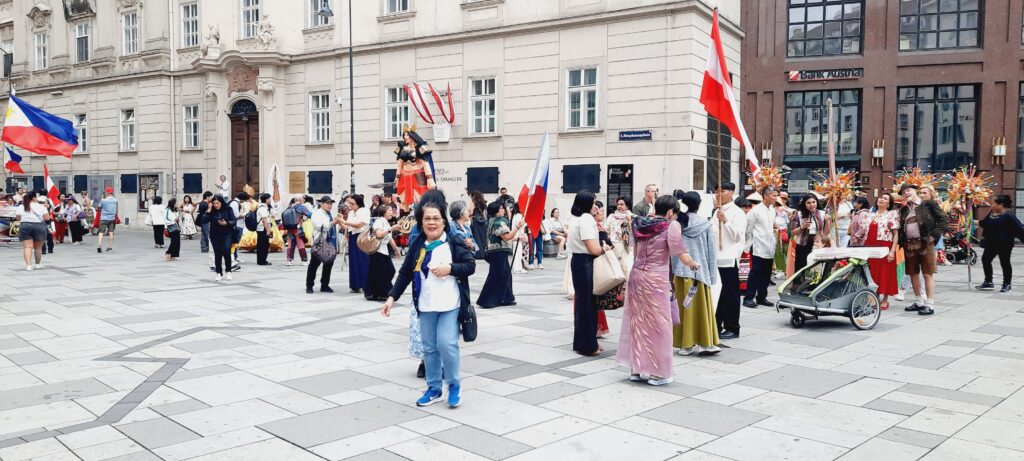
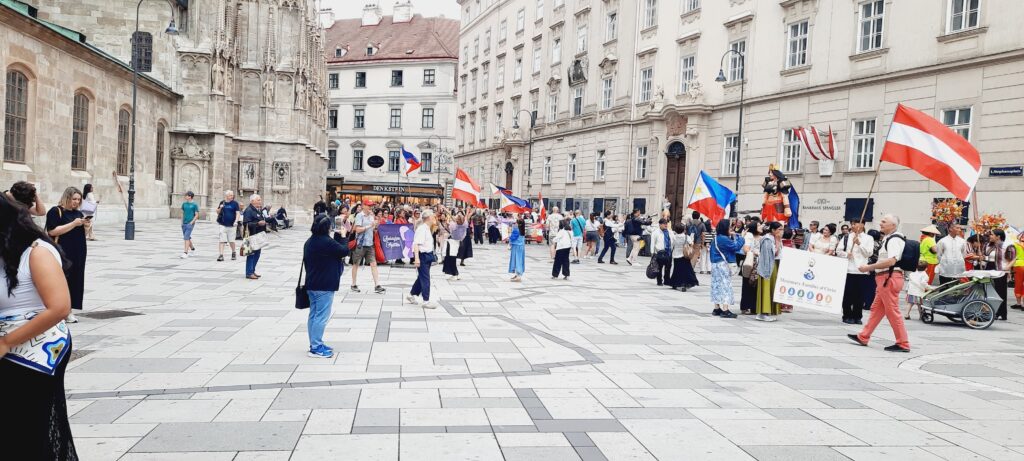
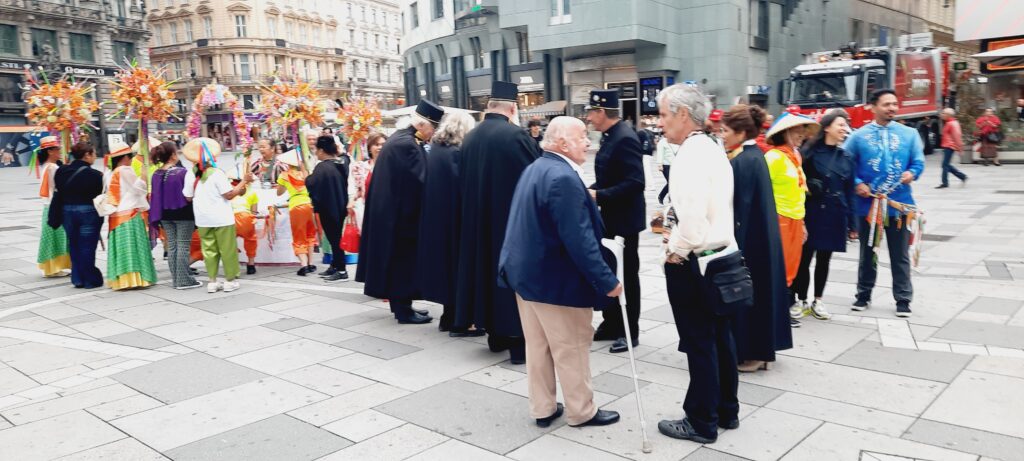
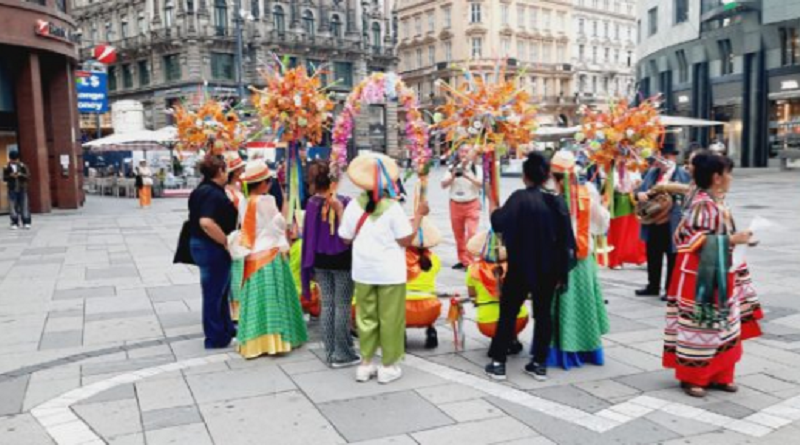
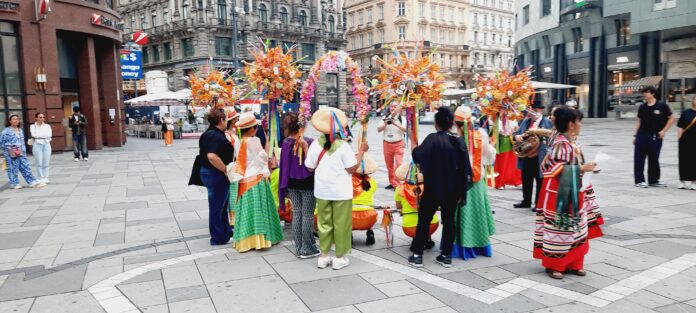
The Pamana Festival in Vienna inaugurates its celebrations with the energetic Unity Dance, started at the iconic Stephansplatz in the way to the Sigmund-Freud-Park beside the Votiv Church. This captivating performance serves not only as an artistic expression but also as a symbolic kickoff to the festivities, uniting participants and spectators alike in a shared appreciation for Filipino heritage. The Unity Dance is characterized by traditional Filipino moves interwoven with contemporary elements, demonstrating the adaptability and richness of Filipino culture.
As dancers gather to form a spontaneous flash mob, the vibrant atmosphere signals the start of the parade, energizing the crowd with its infectious rhythm and synchronized movements. This performance is a visually stunning representation of diversity and collaboration, embodying the spirit of cooperation among community members. Participants come together, transcending background and age, to showcase their shared cultural identity through dance. Such collective expressions not only serve to engage onlookers but also create an inviting environment that encourages everyone to partake in the celebration.
The Unity Dance highlights the importance of togetherness and bonding in Filipino culture. It invokes a sense of belonging that resonates deeply within the community, serving as a reminder of the values that connect individuals to their heritage. The flash mob format enhances the excitement, as it is spontaneous and unexpected, captivating the attention of passersby and inviting them to join in the festivities. This element of surprise is fundamental in establishing a lively atmosphere that permeates the Pamana Festival, further solidifying its role as a cornerstone of Filipino celebrations abroad.
The success of this opening act lays a strong foundation for the subsequent events of the festival, setting a joyous tone that invites everyone to celebrate and appreciate the rich tapestry of Filipino culture. Through the Unity Dance, the Pamana Festival not only marks the commencement of festivities but also cultivates a vibrant community spirit that resonates throughout the entire celebration.
The Parade Through Vienna’s Heart
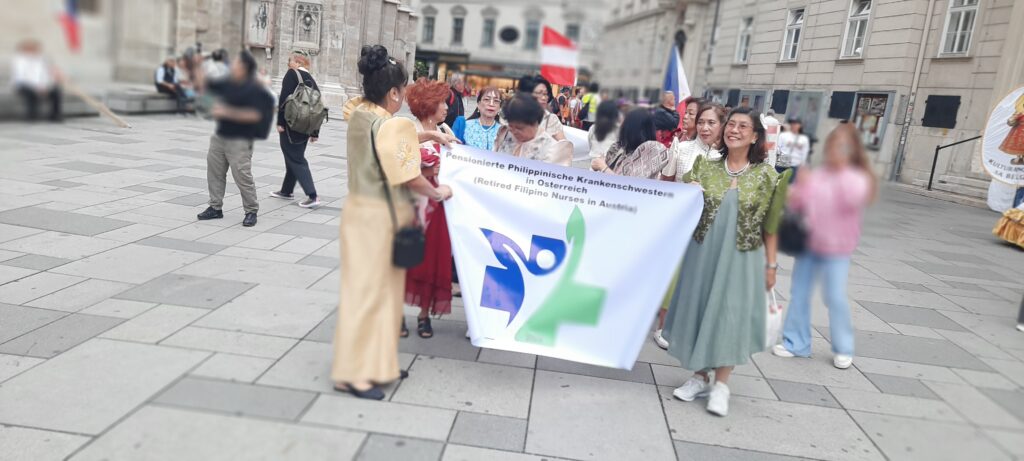
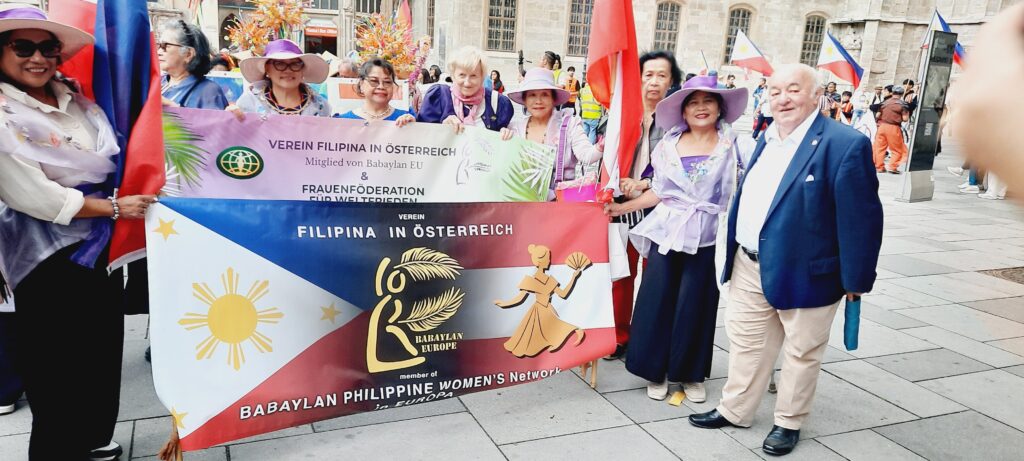
The Pamana Festival in Vienna showcases a vibrant cultural parade that traverses the city’s historic center, captivating both participants and spectators alike. The route is carefully selected to highlight significant landmarks and provide a memorable experience that illustrates the rich Filipino heritage. Beginning at the iconic Graben, the parade marches through bustling streets adorned with colorful decorations and celebratory displays that embody Filipino traditions and values.
As the procession moves along Graben, onlookers are treated to a feast for the senses. The sounds of traditional Filipino music resonate through the air, accompanied by the delightful scents of local cuisine wafting from nearby food stalls. Graben, known for its historical significance and vibrant atmosphere, serves as the perfect backdrop for this celebration, where families and friends gather to cheer on the parade participants, showcasing their cultural pride.
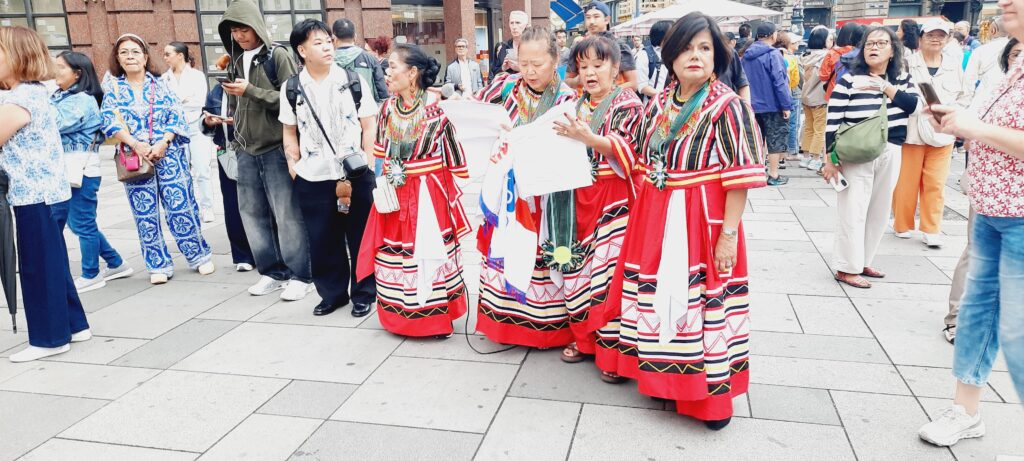
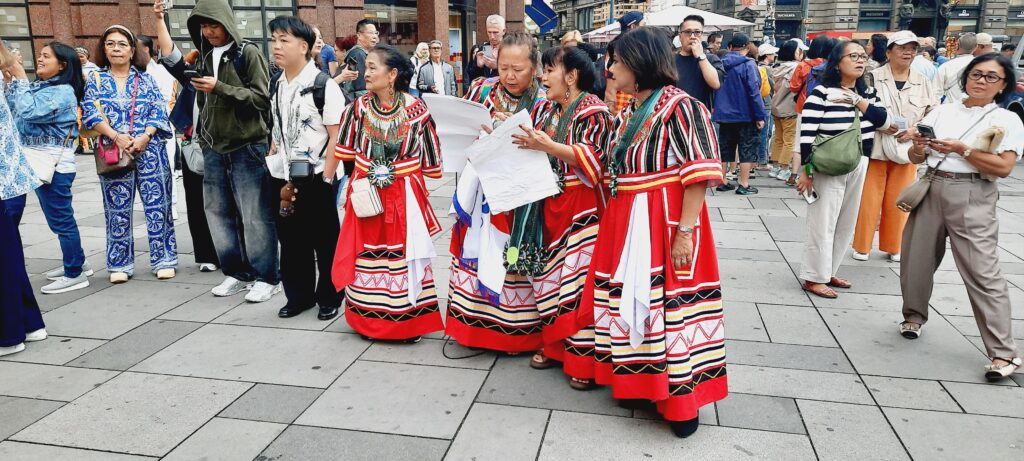
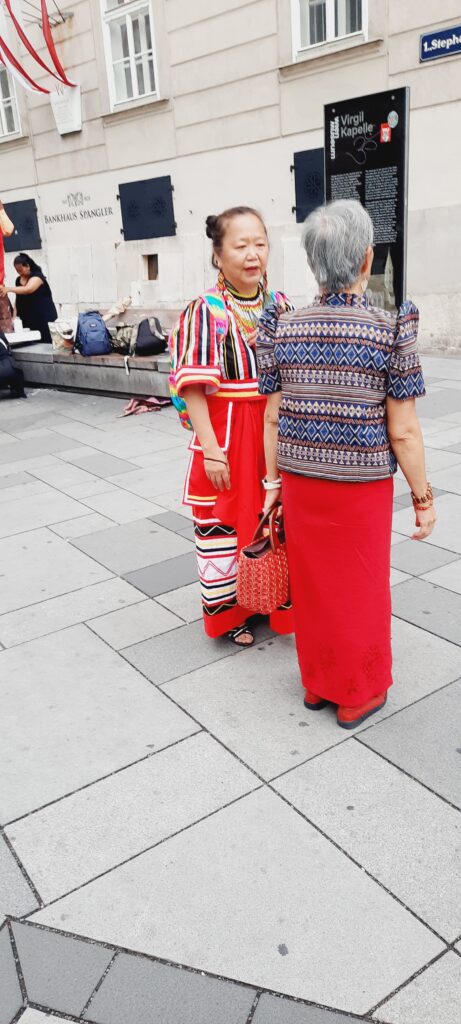
Continuing along the route, the parade makes its way to Sigmund-Freud-Park, another key location that plays a role in this festive journey. Here, participants engage in various performances that relay stories from Filipino culture. Dance troupes clad in traditional attire perform colorful choreography, while musicians captivate the audience with their melodies. The park’s lush greenery provides a tranquil setting amid the urban landscape, allowing spectators to fully immerse themselves in the cultural expressions presented at the festival.
The Filipino community in Vienna takes great pride in this annual parade, as it not only showcases their heritage but also fosters a sense of unity among participants and attendees. As people from various backgrounds gather to witness this vibrant celebration, the parade reinforces the importance of cultural exchange and appreciation, advancing the understanding of the diverse tapestry that is Vienna. The combination of sights and sounds along this celebrated route leaves a lasting impression on all who attend, amplifying the spirit of the Pamana Festival.
Cultural Activities and Their Impact
The Pamana Festival in Vienna, following its vibrant parade, hosted an array of cultural activities that not only captivated audiences but also enriched the bonds between the Filipino community and the wider Austrian populace. These activities included traditional dance performances, music showcases, and various competitions that highlighted Filipino artistry and skill.
Dance is an integral part of Filipino culture, and several performances featured folk dances such as Tinikling, which involves bamboo poles and showcases the speed and agility of dancers. Such displays of cultural heritage not only entertained the attendees but also educated them about the stories and traditions behind each dance. Similarly, musical performances featuring traditional instruments and contemporary Filipino songs resonated deeply with a diverse audience, allowing non-Filipinos to experience and appreciate the rich musical heritage of the Philippines.
Competitions held during the festival served as a platform for talent exploration and expression. Local residents participated in various events, showcasing their baking, crafting, and performance skills. These contests were not just competitions; they were avenues for cultural exchange, fostering a mutual respect and understanding of Filipino traditions among participants and spectators alike.
A key aspect of the post-parade events was the cultural presentations that highlighted the uniqueness of Filipino customs. Workshops, open forums, and interactive sessions allowed community members to engage with the audience, share their stories, and encourage dialogue about Filipino heritage. This engagement is essential as it builds relationships and promotes the value of cultural diversity within the fabric of Vienna’s society.
Ultimately, the cultural activities following the parade cultivated an inclusive environment, encouraging residents of Vienna to connect with Filipino culture in meaningful ways. This fusion of entertainment and education plays a vital role in preserving cultural identity while simultaneously fostering understanding and friendship among different communities.